- 321-222-6658
- 813 Waterway Place Longwood, FL 32750

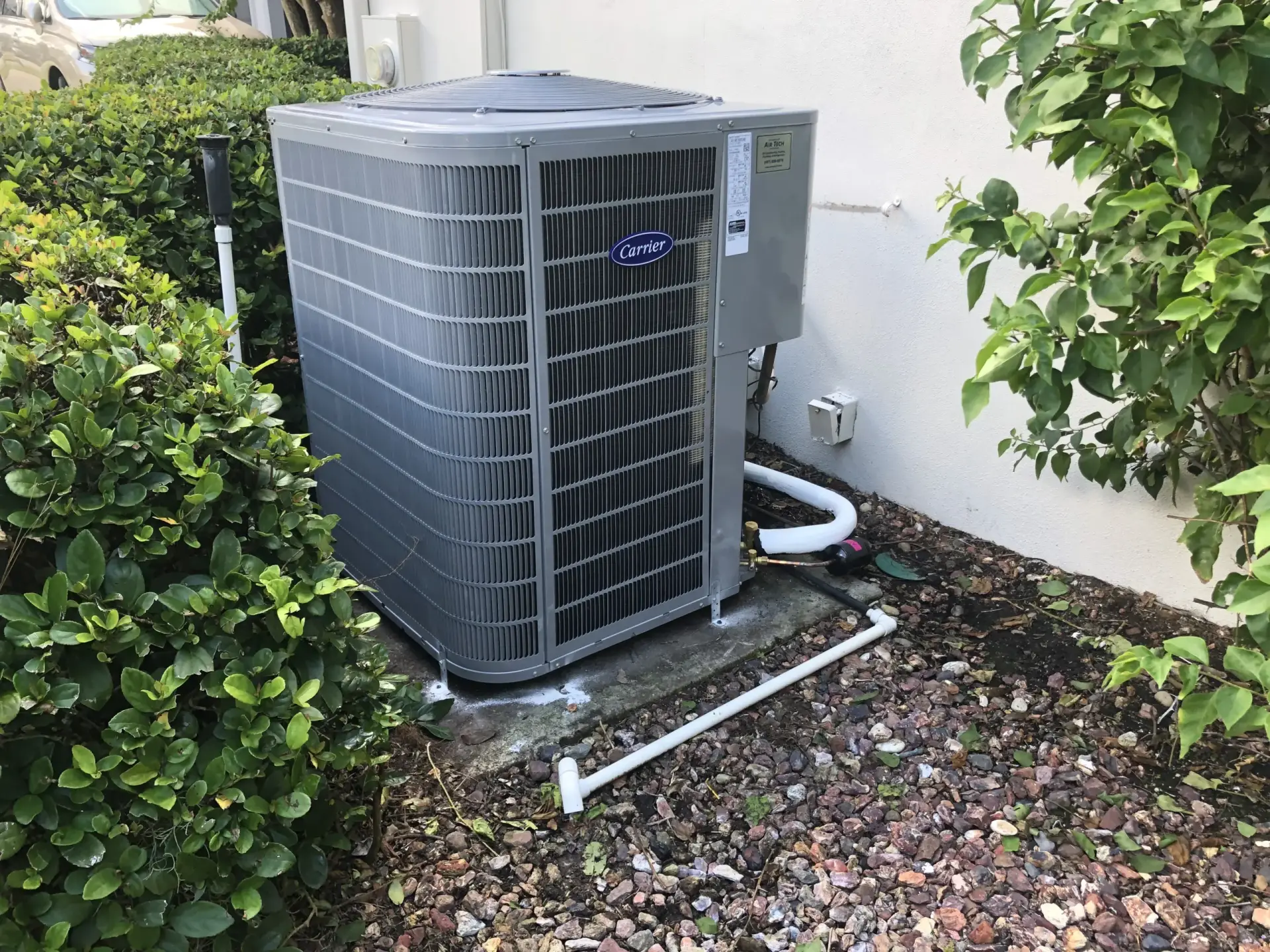
By Luigi Ferraro, Air Tech of Central Florida
Air conditioning systems are essential for maintaining comfort in homes and businesses, especially in the hot climate of Central Florida. However, many homeowners encounter common AC problems that can disrupt their comfort and lead to costly repairs. This comprehensive guide will explore the most frequent issues with air conditioning units, effective troubleshooting steps, and solutions to ensure your system operates efficiently. By understanding these common AC problems, you can take proactive measures to maintain your system and know when to seek professional help. We will cover topics such as cooling failures, thermostat issues, compressor problems, and essential maintenance tips to keep your AC running smoothly.
When your air conditioner fails to cool effectively, it can be frustrating and uncomfortable. Several factors can contribute to this issue, including thermostat settings, refrigerant levels, and airflow problems. Understanding these causes is crucial for effective troubleshooting and resolution.
To diagnose the issue, start by checking the thermostat settings to ensure they are correct. Next, inspect the air filters and replace them if they are dirty. If the problem persists, it may be necessary to check for refrigerant leaks or other mechanical issues.
If you identify a refrigerant leak, it is essential to call a professional HVAC technician to repair the leak and recharge the system. Regular maintenance, including filter changes and system inspections, can help prevent these issues from arising. For reliable HVAC services, consider reaching out to a trusted provider in the region.
Central Florida’s hot and humid climate poses unique challenges for air conditioning systems. High humidity levels can make it difficult for AC units to cool effectively, as the system must work harder to remove moisture from the air. This increased workload can lead to higher energy bills and potential system strain.
Further research highlights how advanced cooling and dehumidification equipment can impact residential indoor humidity levels and annual energy consumption in hot climates.
Residential AC Performance & Energy Efficiency in Hot Climates
This study evaluated the impacts of conventional and advanced cooling and dehumidification equipment on residential indoor humidity levels and annual energy consumption using whole building computer simulations. The life-cycle cost premium for the various advanced systems was also estimated. Building models were developed for a standard HERS Reference house, meant to represent current residential construction practice, and a High-Efficiency house that would likely qualify for a federal tax credit. The different houses were simulated in seven southeastern U.S. cities and with two ventilation/infiltration scenarios: 1) variable or natural infiltration alone, and 2) mechanical ventilation that complied with ASHRAE Standard 62.2-2004. The simulations accurately considered several key factors that affect dehumidification performance and space humidity levels, including: 1) duct air leakage and thermal losses, 2) the impact of part load latent capacity degradation with various supply
Closing the Gap: Getting Full Performance from Residential Central Air Conditioners, Task 4-Develop New Climate-Sensitive Air Conditioner, Simulation Results and …, 2007
Residential AC units often experience specific cooling failures that can disrupt comfort. Some of the most common issues include:

Thermostat problems can significantly impact the performance of your air conditioning system. Understanding how to troubleshoot these issues can help restore comfort quickly.
Common thermostat issues include incorrect settings, dead batteries, and malfunctioning components. These problems can lead to inaccurate temperature readings and improper system operation.
To optimize your AC’s efficiency, set the thermostat to a comfortable temperature, typically around 75°F. Consider using programmable features to adjust settings based on your schedule, ensuring the system runs efficiently when needed.
Compressor and refrigerant issues are critical to the overall performance of your air conditioning system. Understanding the causes can help you address these problems effectively.
Factors such as the age of the unit and lack of maintenance can exacerbate these issues. Regular inspections and maintenance can help identify potential problems before they escalate.
To prevent compressor and refrigerant issues, schedule regular maintenance with a qualified HVAC technician. This proactive approach can help identify and address potential problems early, ensuring your system operates efficiently.
Recognizing the signs of compressor failure is crucial for timely intervention. Common indicators include:
Detecting refrigerant leaks is essential for maintaining optimal AC performance. Low refrigerant levels can lead to inefficient cooling and increased energy consumption. Regular leak detection can help ensure your system operates efficiently and prolong its lifespan.

Preventive maintenance is key to avoiding common AC failures. Here are some essential tips:
Knowing when to call for professional help can save you time and money. Consider contacting a technician if you experience:
Hiring a NATE-certified technician ensures that you receive high-quality service from a knowledgeable professional. These technicians have undergone rigorous training and testing, ensuring they are equipped to handle a variety of HVAC issues effectively.
Having access to 24/7 emergency AC repair services is crucial for maintaining comfort and safety in your home. Rapid response to AC failures can prevent discomfort during extreme heat and ensure that your system is restored quickly.
Different thermostat issues can be compared to understand their impact on HVAC systems.
| Thermostat Problem | Description | Solution |
|---|---|---|
| Incorrect Settings | Thermostat set to the wrong temperature | Adjust settings to desired temperature |
| Dead Batteries | Thermostat not functioning due to dead batteries | Replace batteries regularly |
| Malfunctioning Components | Internal issues preventing accurate readings | Call a technician for repair |
This table highlights the importance of addressing thermostat problems promptly to maintain efficient HVAC operation.