- 321-222-6658
- 813 Waterway Place Longwood, FL 32750


By Luigi Ferraro, Air Tech of Central Florida
Understanding the components of an HVAC system is crucial for homeowners and businesses in Central Florida, where climate control is essential for comfort and efficiency. This comprehensive guide will delve into the essential parts of HVAC systems, their functions, and how they work together to maintain a comfortable indoor environment. Many individuals face challenges with their HVAC systems, such as inefficiency or unexpected breakdowns. By understanding these components, you can make informed decisions about maintenance and upgrades, ensuring your system operates optimally. This article will cover the essential HVAC parts, their functions, maintenance needs, energy efficiency improvements, plumbing integration, and common questions regarding HVAC systems.
HVAC systems consist of several key components that work together to provide heating, ventilation, and air conditioning. Understanding these parts is essential for effective maintenance and troubleshooting.
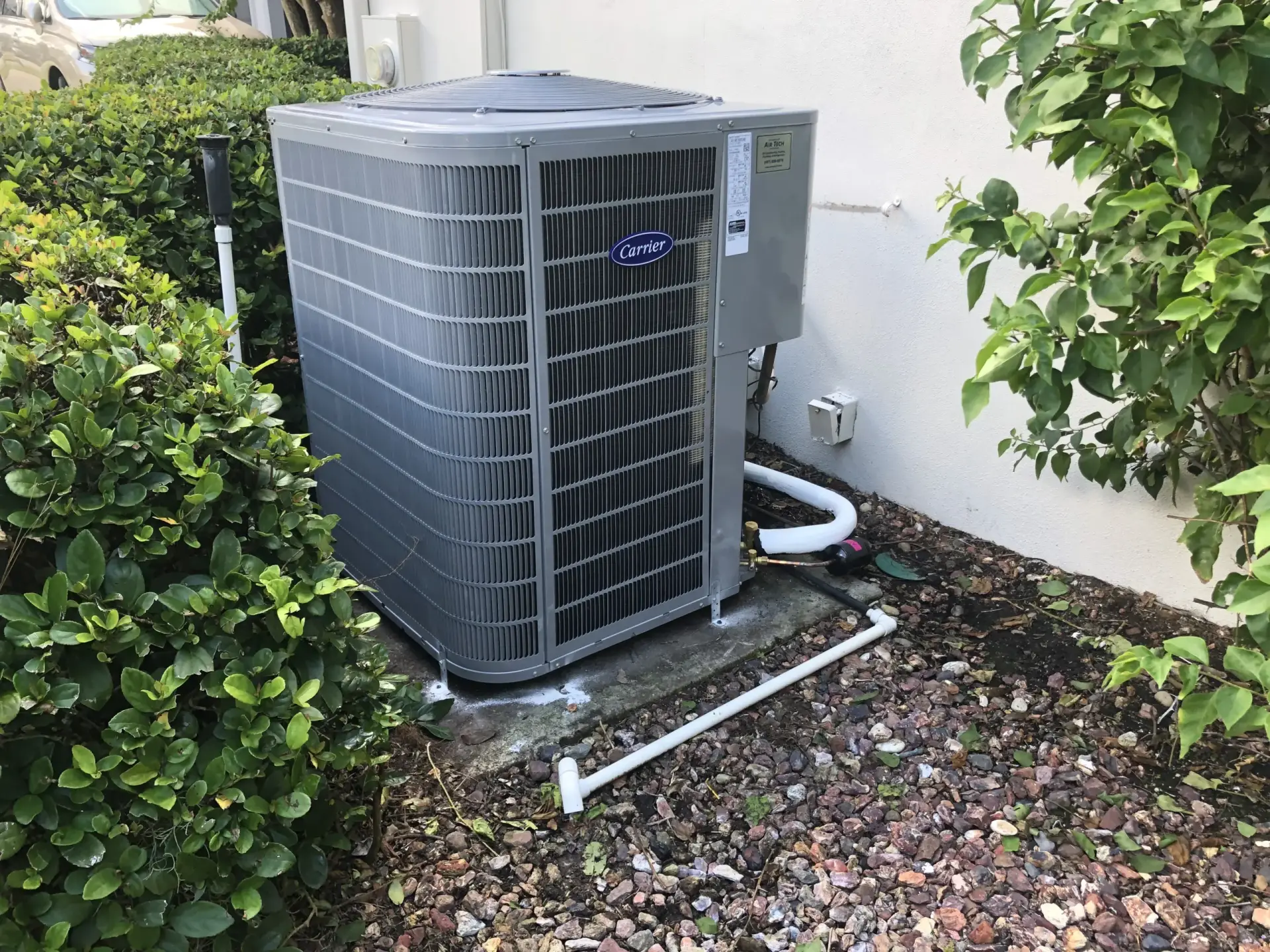
A complete HVAC system typically includes the following components:
These components work in unison to maintain a comfortable indoor environment, especially in the fluctuating climate of Central Florida.
Each component of an HVAC system plays a specific role in ensuring comfort and efficiency, contributing to the overall performance of the system.
The compressor, condenser, and evaporator coil are critical to the refrigeration cycle in HVAC systems. The compressor pumps refrigerant through the system, increasing its pressure and temperature. The refrigerant then flows to the condenser, where it releases heat and transforms into a liquid. This liquid refrigerant moves to the evaporator coil, where it absorbs heat from the indoor air, cooling it before it is circulated back into the space. This cycle repeats, maintaining a consistent indoor temperature and ensuring energy efficiency.
The thermostat acts as the control center for the HVAC system, allowing users to set their desired temperature. It communicates with the compressor and other components to maintain this temperature. Ductwork is equally important, as it directs the flow of conditioned air throughout the building. Properly designed and maintained ductwork ensures that air is evenly distributed, preventing hot or cold spots and enhancing overall system efficiency. Regular maintenance of both the thermostat and ductwork is essential for optimal performance.
Regular maintenance of HVAC systems is crucial for longevity and efficiency. Certain parts require more attention than others to ensure the system operates smoothly.

Key components that need regular maintenance or replacement include:
Regular maintenance of these parts can prevent costly repairs and extend the lifespan of your HVAC system.
Identifying signs of wear and tear in HVAC components can help prevent major breakdowns. Common indicators include:
Recognizing these signs early can lead to timely repairs and maintenance.
Upgrading certain components of your HVAC system can significantly enhance energy efficiency, leading to lower utility bills and a reduced environmental impact.
Upgrading to energy-efficient HVAC parts offers several benefits:
Investing in energy-efficient upgrades can yield significant long-term savings and comfort improvements.
Smart thermostats and IoT integration provide advanced control over HVAC systems. These technologies allow users to monitor and adjust their systems remotely, optimizing energy use based on real-time data. Features such as learning algorithms enable smart thermostats to adapt to user preferences, further enhancing efficiency. By integrating these technologies, homeowners can achieve greater control over their indoor climate while reducing energy consumption.
Plumbing systems can significantly impact the performance of HVAC systems, particularly in areas with high humidity like Central Florida.
Key plumbing components that interact with HVAC systems include:
Understanding these interactions can help homeowners maintain both their plumbing and HVAC systems effectively.
Proper plumbing maintenance supports HVAC efficiency by ensuring that all components function correctly. Regular inspections of drain lines can prevent clogs that lead to water damage, while maintaining water supply lines ensures that heating systems operate efficiently. Additionally, ensuring that vent pipes are clear and functioning properly can prevent dangerous gas buildup, enhancing safety and system longevity.
Homeowners often have questions regarding the maintenance and operation of their HVAC systems. Addressing these concerns can lead to better system performance and satisfaction.
HVAC parts should be serviced regularly, with specific recommendations including:
Following these guidelines can help maintain system efficiency and prevent unexpected breakdowns.
Typical costs for HVAC repairs and replacements can vary widely based on the component and the extent of the issue. Common costs include:
Understanding these costs can help homeowners budget for maintenance and repairs effectively.